
News
 Вступительное слово д-ра Прашанта Джамвала, профессора SEDS, NU
A foreword by Dr. Prashant Jamwal, Professor (SEDS, NU) and Director of CEMRR, highlighting the Center’s progress in medical robotics, rehabilitation, and AI-driven healthcare innovation, with a strong focus on clinical impact, collaboration, and translational research.
10/23/2026Read more Foreword from Dr. Aibek Niyetkaliyev, Deputy-Director, CEMRR
A foreword by Dr. Aibek Niyetkaliyev, Deputy Director of CEMRR, introducing the Center’s Annual Report and highlighting progress in rehabilitation robotics, AI-driven orthopaedic and diagnostic tools, and clinically relevant innovation through interdisciplinary collaboration.
10/23/2026Read more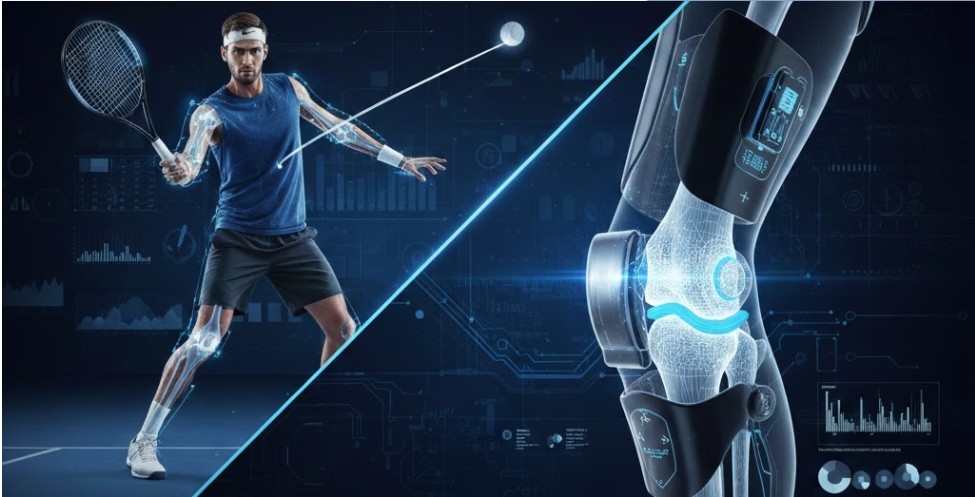 AI-Driven 3D Reconstruction of Knee anatomy from MRI: Bridging Functional Assessment and Precise Anatomical Modeling
Knee injuries, particularly anterior cruciate ligament (ACL) tears, and degenerative conditions such as osteoarthritis represent major burdens on global healthcare systems. Accurate 3D reconstruction of knee anatomy from MRI data, combined with real-time functional assessment via wearable exoskeletons, offers a powerful pathway toward personalized diagnosis, preoperative planning, and rehabilitation. This article reviews recent breakthroughs in two complementary domains: (1) modular active knee exoskeletons equipped with multi-modal sensing (IMU, force, EMG) for dynamic biomechanical data collection, and (2) self-supervised deep learning models, such as Vision Transformers (ViT) pretrained with masked autoencoding and BYOL-based approaches, for high-fidelity 3D knee reconstruction from 2D MRI slices. We highlight our prototype exoskeleton and AI pipeline developed at the Center for Excellence in Medical Robotics and Rehabilitation (CEMRR) at Nazarbayev University, Astana, demonstrating how these technologies can be integrated to correlate structural pathology with functional deficits, ultimately enabling more effective, patient-specific interventions.
10/23/2026Read more CEMRR Rehabilitation Roadmap: From Diagnosis to Personalized Robotics
A patient journey from MRI to AI-based 3D reconstruction, enabling patient-specific rehabilitation solutions and training with real-time feedback—turning imaging into measurable recovery and confidence in movement.
10/23/2026Read more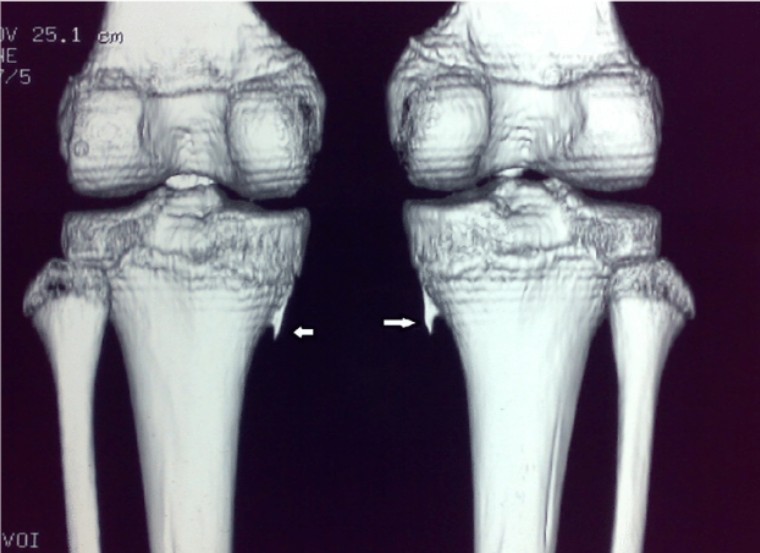 From Slices to Structure: Self-Supervised Transformer Pipelines for Automated 3D Knee Reconstruction and ACL Injury Segmentation from MRI
The integration of advanced deep learning techniques, particularly self-supervised Vision Transformers (ViTs), is transforming three-dimensional (3D) reconstruction of the knee joint from magnetic resonance imaging (MRI) data. This approach holds substantial promise for clinical diagnostics, preoperative planning, biomechanical modeling, and the development of personalized rehabilitation technologies, such as exoskeletons.
10/23/2026Read more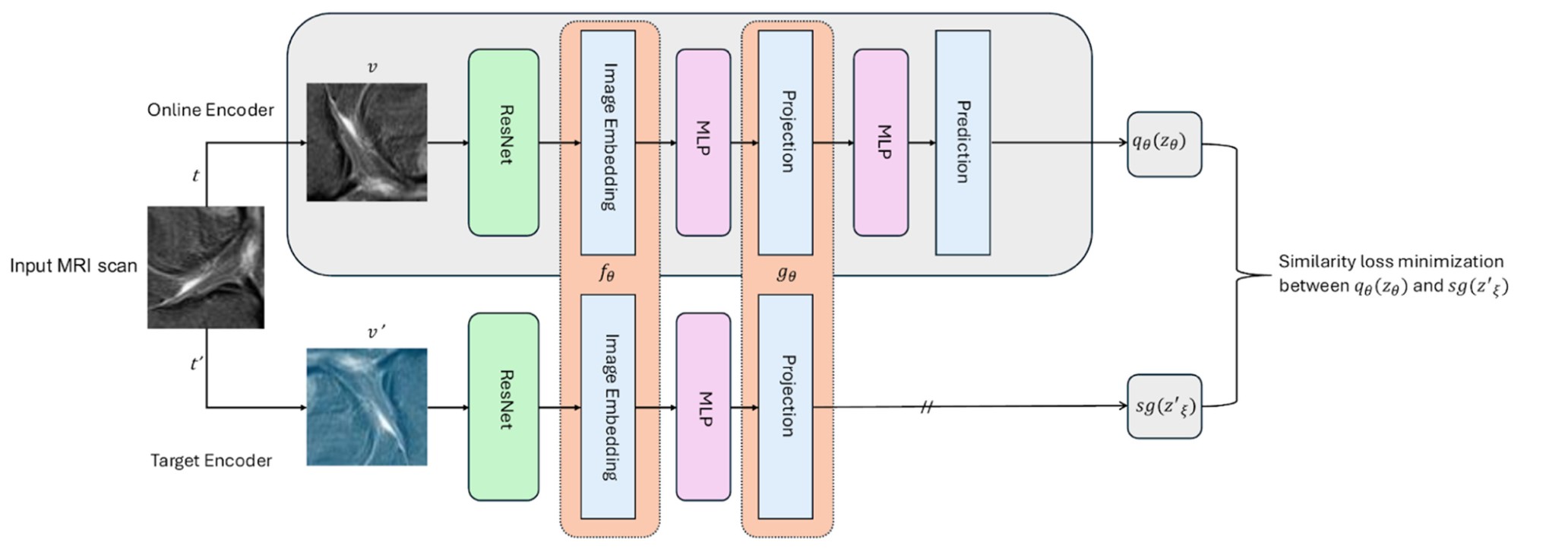 Self-supervised learning with BYOL for anterior cruciate ligament tear detection from knee MRI
FAST-AI uses self-supervised learning (BYOL) to learn from large volumes of unlabeled knee MRI, then transfers those representations to ACL tear detection, enabling more scalable and consistent diagnosis with limited labeled data.
10/23/2026Read more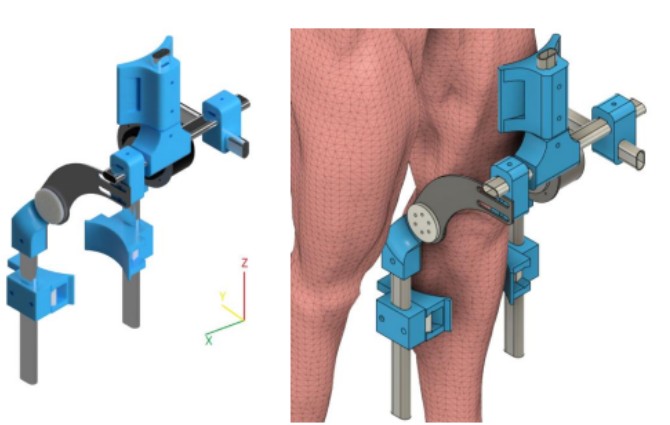 Personalized Knee Exoskeletons: Bringing Rehab Home with an Adjustable, Patient-Friendly Design
A digital-first knee exoskeleton engineered in Fusion 360 and rapidly prototyped with 3D-printed ABS + laser-cut steel. It offers universal, 3-axis adjustability (X/Y/Z) for fast, repeatable fitting across patients, with passive self-alignment to reduce shear and improve comfort. Designed for real clinical use, it prioritizes safety, confidence, and home-ready rehabilitation, with next steps including sensors, adaptive control, and lighter aluminum iterations.
10/23/2026Read more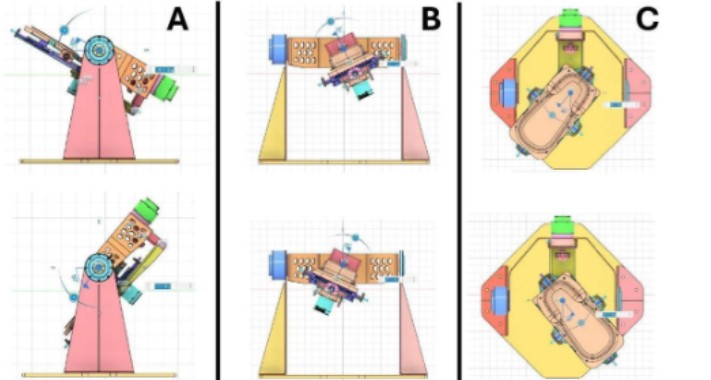 Next-Gen Ankle Rehab: Three-Axis Precision for Full-Range Recovery
CEMRR has developed ankle and knee exoskeleton prototypes designed for precise, repeatable rehabilitation that matches natural biomechanics. The ankle system delivers three-axis, motor-driven motion with adjustable alignment to minimize shear forces and improve outcome tracking, while the knee platform focuses on clinically relevant torque using a high-capacity actuator. Together, these devices enable personalized protocols, reliable progress data, and scalable joint therapy for clinical—and future home—use.
10/23/2026Read more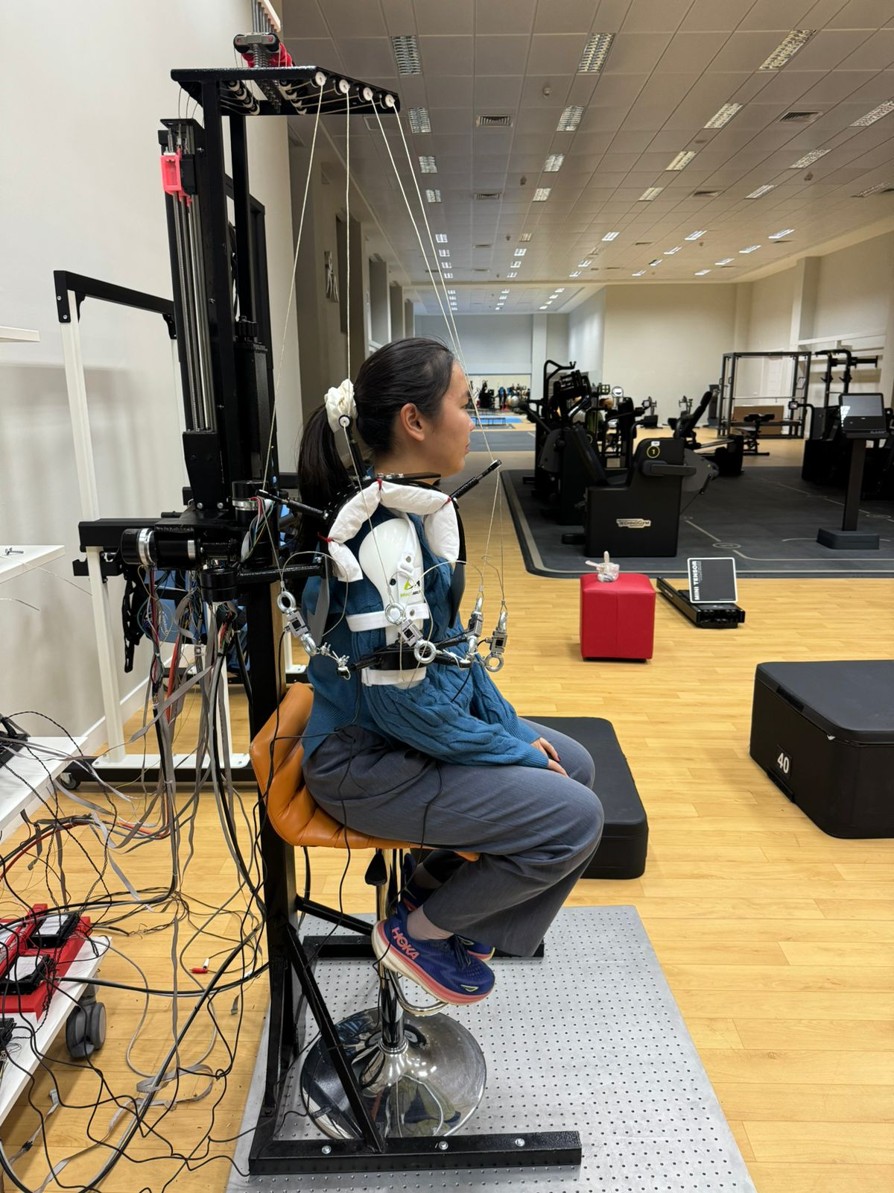 Shoulder Rehab Reimagined: A Hybrid Robotic Exoskeleton That Tracks the Body’s Natural Motion
HYBRID-2 is a compact shoulder rehab exoskeleton from CEMRR that combines a four-link girdle-tracking mechanism with a cable-driven parallel system to align with natural shoulder motion. By compensating both shoulder-girdle translation and GH rotation, it reduces misalignment and improves comfort, enabling safer, more effective rehabilitation across different body types.
10/23/2026Read more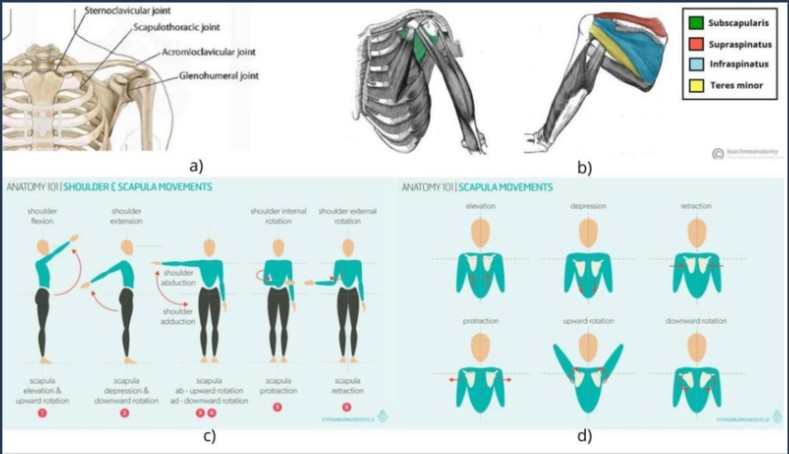 When Shoulder Rehab Meets Smart Robotics: What 32 Studies Tell Us About the Next Wave of Stroke Recovery. A Systematic Review
A PRISMA-based systematic review of 32 high-quality studies (2015–Apr 2025) on shoulder rehabilitation exoskeletons for stroke recovery. It highlights multimodal sensing (EMG + IMU + force/torque) and adaptive/ML control as the most promising route to personalized therapy, while noting that strong clinical evidence is still limited and larger standardized trials are needed for real-world adoption.
10/23/2026Read more Head–Neck Exoskeleton for Neck Pathology Detection and Assistive Actuation
CEMRR is developing a head–neck exoskeleton that objectively measures cervical motion to help detect neck dysfunction and can provide safe assist-as-needed support. Designed around cervical biomechanics, it enables controlled three-axis assessment of range, symmetry, and movement quality, with expanded ROM and better fit across different body types.
10/23/2026Read more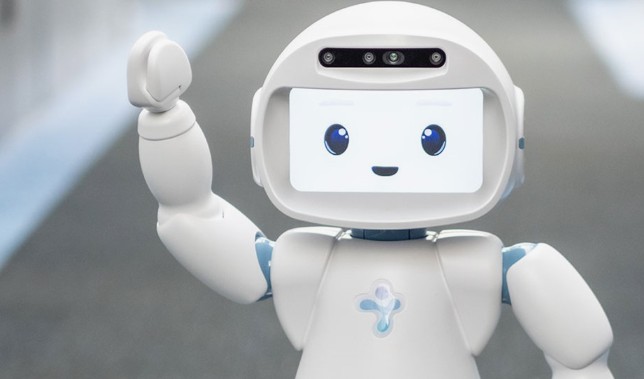 From Observation to Evidence: A Data-Driven Rehabilitation Pathway for Children
CEMRR is building a national rehabilitation pathway that turns subjective progress into measurable, trackable outcomes. Under Kazakhstan’s Program-Targeted Funding (2025–2026) and led by Prof. Prashant K. Jamwal, the initiative integrates AI, robotics, sensors, and immersive tech to deliver more consistent therapy, clearer feedback, and more human-centered recovery for children and families.
10/23/2026Read more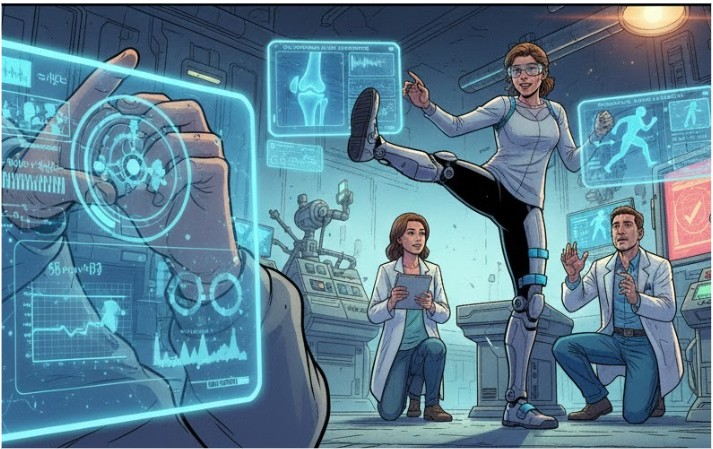 Revolutionizing Pediatric Neurorehabilitation using Robots How AI, Robotics, and Immersive Tech Are Transforming Pediatric Rehabilitation in Kazakhstan
CEMRR is building an integrated, data-driven pediatric neurorehabilitation framework for children with motor movement disorders (including cerebral palsy). It combines clinical tests + multimodal sensors (EMG, IMU, pressure insoles) with robotic platforms (P.GEAR for gait, RPS for balance), plus QTrobot and AR/VR to make therapy measurable, personalized, and engaging—supporting better mobility, feedback, and quality of life.
10/23/2026Read more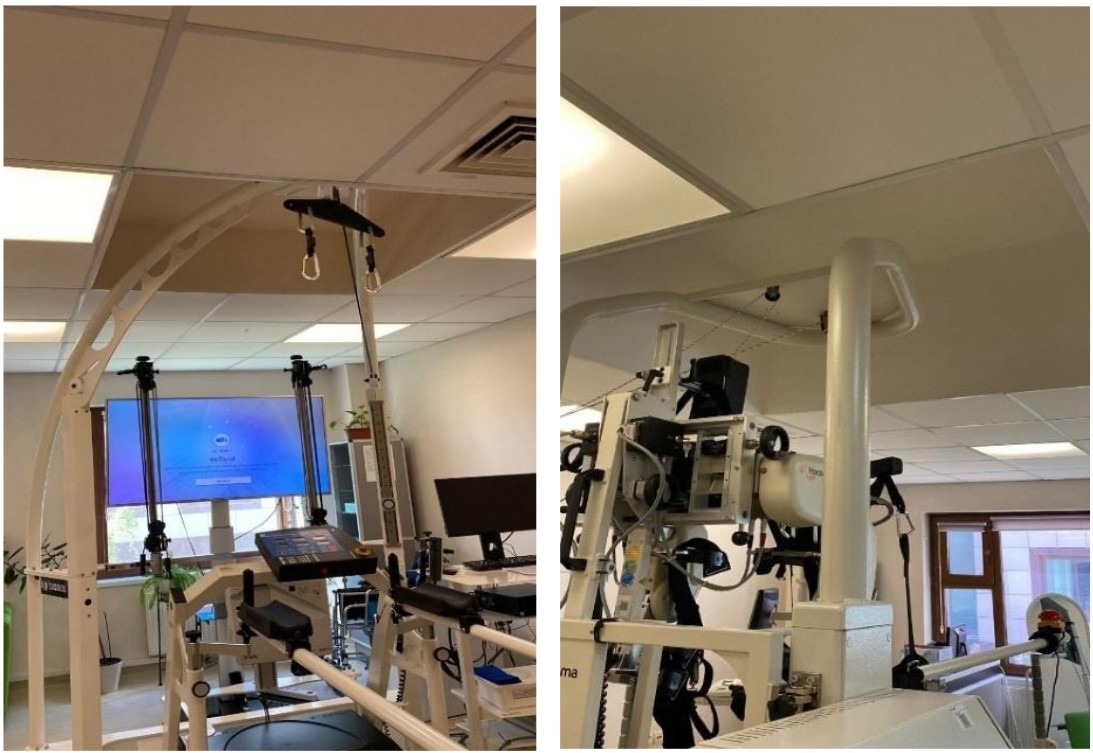 Robot-Assisted Gait Rehabilitation for Improved Walking
A new model of pediatric rehabilitation is emerging in Astana, one that brings advanced robotics out of the lab and into routine clinical care. Within the CEMRR project, the National Center for Children’s Rehabilitation (NCCR) serves as the clinical deployment site where robotic gait, balance, and social-communication systems are installed and evaluated through structured pilot studies designed to power larger trials
10/23/2026Read more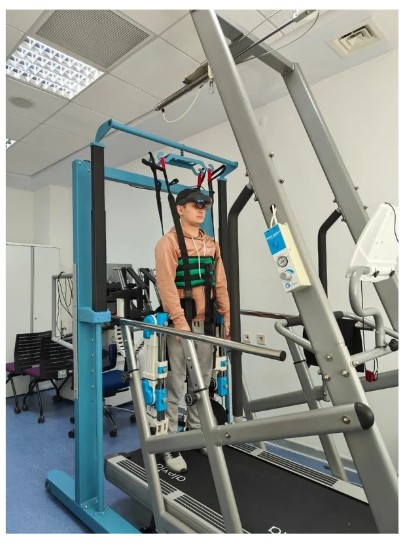 VR and AR Transforming Rehab for Kids with Cerebral Palsy in Kazakhstan
At NCCR in Astana, CEMRR is piloting VR/AR/MR-based pediatric rehab that turns repetitive therapy into engaging games. Built with Unity/MRTK and Meta Quest and integrated with P.GEAR, the system delivers real-time, data-linked gait and upper-limb training to improve motivation, consistency, and functional outcomes for children with cerebral palsy.
10/23/2026Read more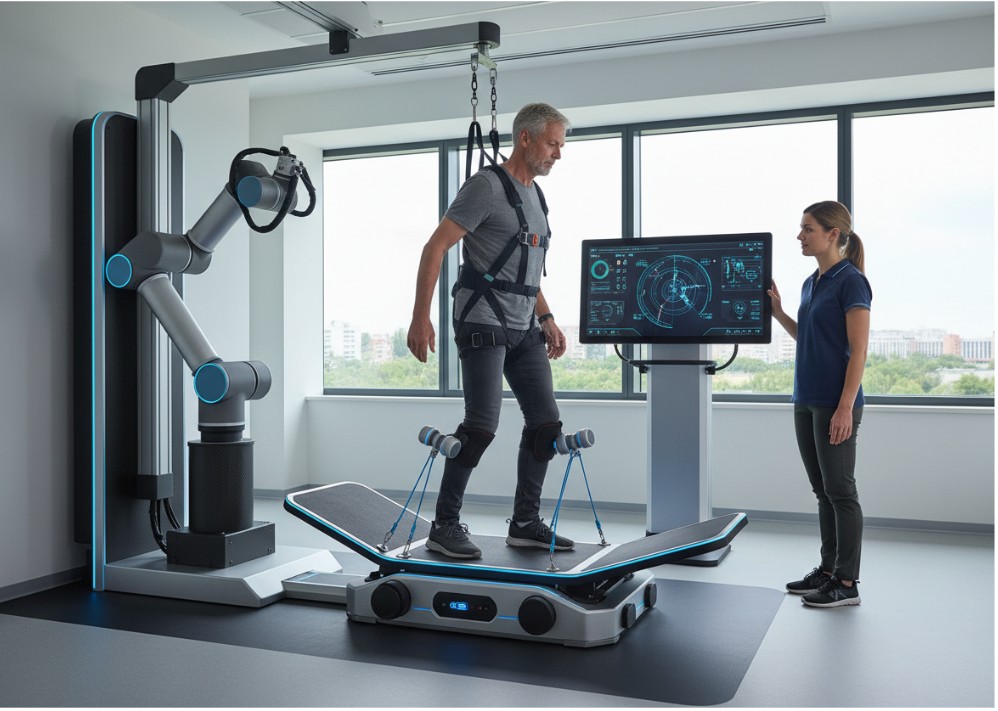 Robotic Perturbation-Based Training for Balance A data-driven balance platform combining robotics, sensors, and adaptive AI
CEMRR is developing a robotic perturbation-based balance training program that delivers safe, repeatable pushes/pulls and surface disturbances while capturing IMU/EMG/pressure data. The platform turns balance therapy into a measurable, AI-adaptive training loop, personalizing difficulty in real time for stroke, pediatric CP, and orthopedic rehabilitation.
10/23/2026Read more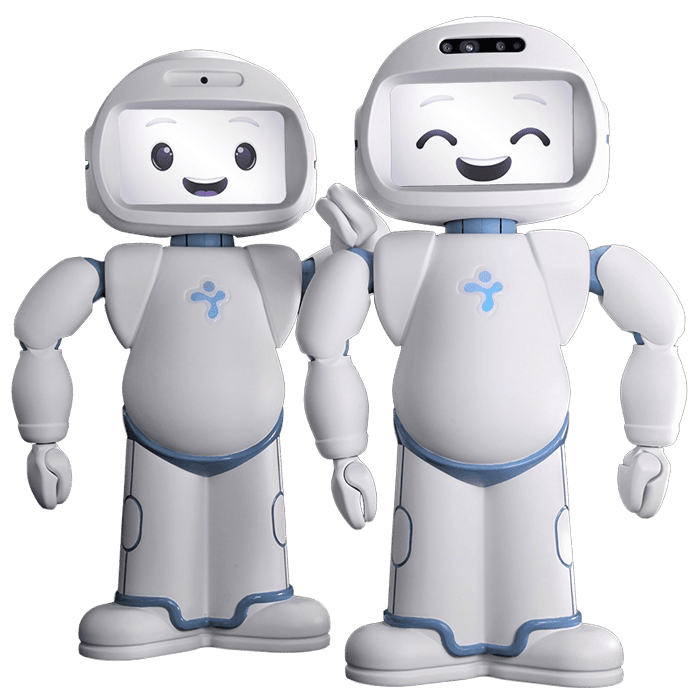 QTrobot & Mobile Avatar Interventions to Improve Communication in Children with Cerebral Palsy QTrobot Interventions at NCCR
At NCCR in Astana, CEMRR piloted QTrobot-based social and cognitive therapy for children with cerebral palsy and other motor movement disorders, delivered in Kazakh and Russian. In a structured 3-week program (10 sessions), the humanoid robot provided consistent, repeatable interaction routines (greetings, turn-taking, emotion recognition, imitation, storytelling), while therapists supervised and measured outcomes. Early results suggest good feasibility and engagement and promising gains in social-cognitive measures—supporting social robotics as a scalable complement to conventional pediatric rehab.
10/23/2026Read more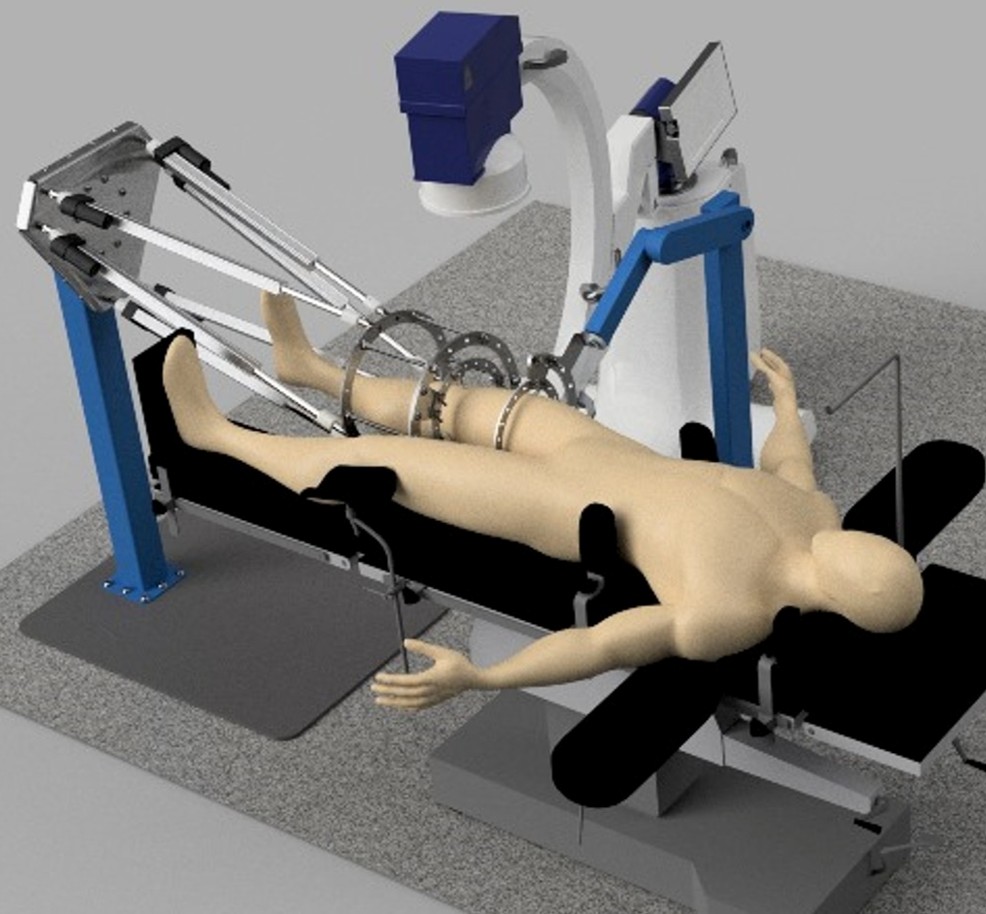 R.ALFRED for Autonomous Femur Fracture Reduction A procedure that demands both strength and precision
R.ALFRED is a robotic concept for autonomous femur fracture reduction, designed to help surgeons realign long-bone fragments with less physical strain and reduced time under fluoroscopy. Built around a 6-DOF parallel robot with intrinsically compliant actuators, it balances accuracy, force capability, and safe compliance, with next steps toward imaging-guided, surgeon-supervised autonomy.
10/23/2026Read more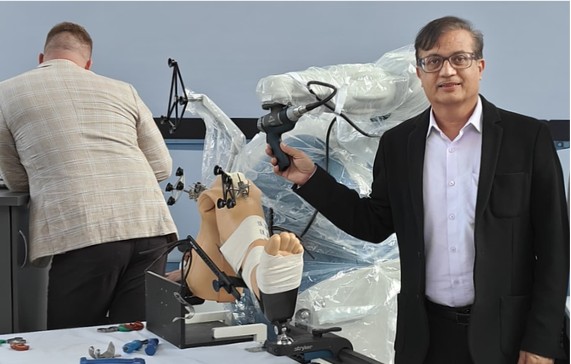 Building Kazakhstan’s Next-Gen Robotic Assistant for Knee Surgery
CEMRR is developing a next-generation robotic assistant for knee surgery to improve precision, safety, and consistency in orthopedic procedures. The platform combines surgeon-in-the-loop robotics, real-time sensing, computer vision, and medical AI to support pre-op planning and intra-op guidance, helping surgeons align, position, and execute with greater accuracy.
10/23/2026Read more AI-CPath: Clinical-Grade AI Pathology to Enhance Cancer Detection, Risk Stratification, and Prognosis
AI-CPath is a planned clinical-grade AI pathology initiative that uses curated digital slides, expert annotation, and interpretable validated models to improve cancer detection, risk stratification, and prognosis. It aims to align outputs with real clinical endpoints and integrate with partner hospitals to enable faster screening, more consistent reporting, and stronger precision-oncology decision support in Kazakhstan.
10/23/2026Read more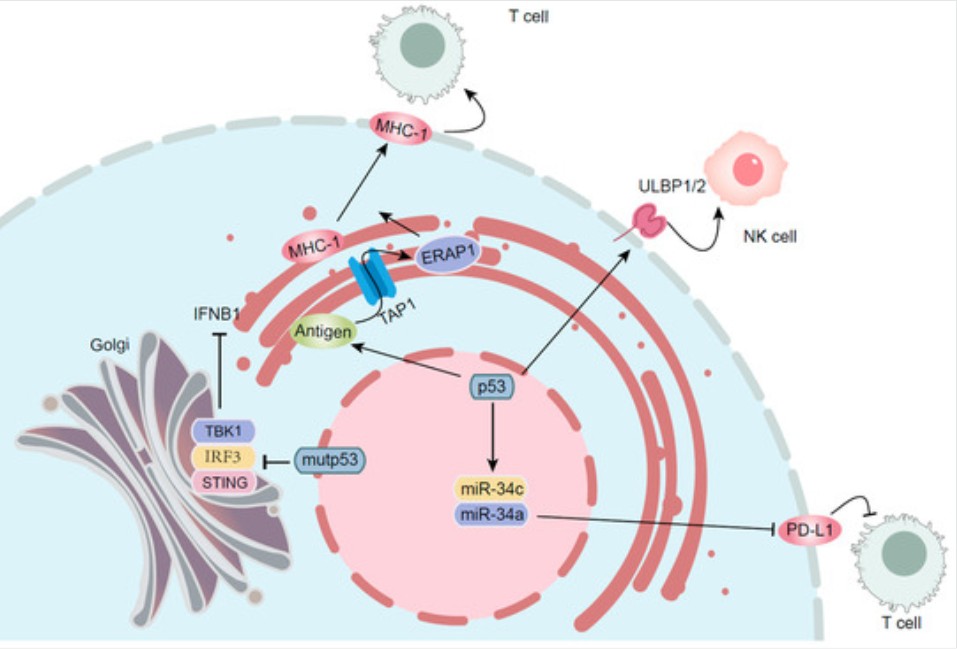 AI-MAP 53: Establishing an AI Platform for Morphology-Based Detection of p53 Dysfunction in Cancer
AI-CPath is a planned clinical-grade AI pathology initiative that uses curated digital slides, expert annotation, and interpretable validated models to improve cancer detection, risk stratification, and prognosis. It aims to align outputs with real clinical endpoints and integrate with partner hospitals to enable faster screening, more consistent reporting, and stronger precision-oncology decision support in Kazakhstan.
10/23/2026Read more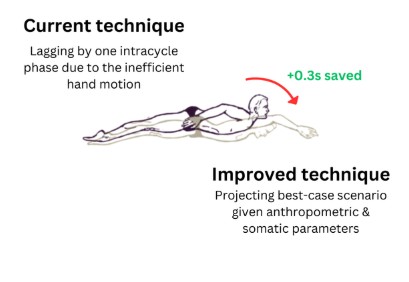 AI-PIONEER: Building a National AI Platform for Butterfly Performance Diagnostics with the National Olympic Council
AI-PIONEER is an AI-based prescriptive platform that uses IMU motion data to evaluate butterfly swimming technique against elite standards and deliver targeted feedback on coordination, timing, and efficiency. Equipment is calibrated and athlete data collection is underway to train models that generate “ideal” elite-referenced cycles and highlight deviations for improvement.
10/23/2026Read more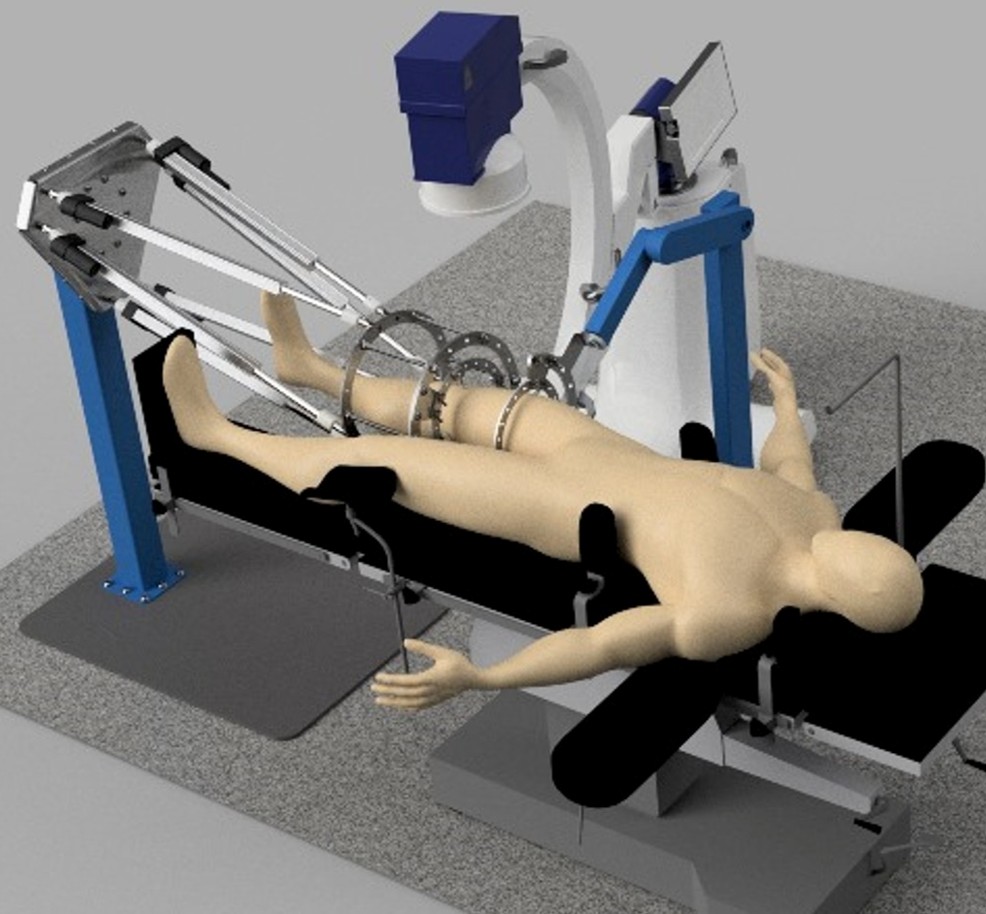 Breakthrough in Rehabilitation: Kazakhstan-Made Exoskeleton in the Spotlight
Leading media outlets in Kazakhstan have recently highlighted the locally developed A.GEAR rehabilitation exoskeleton, emphasizing its potential to improve rehabilitation for stroke and cerebral palsy patients and its readiness for large-scale production.
10/23/2026Read more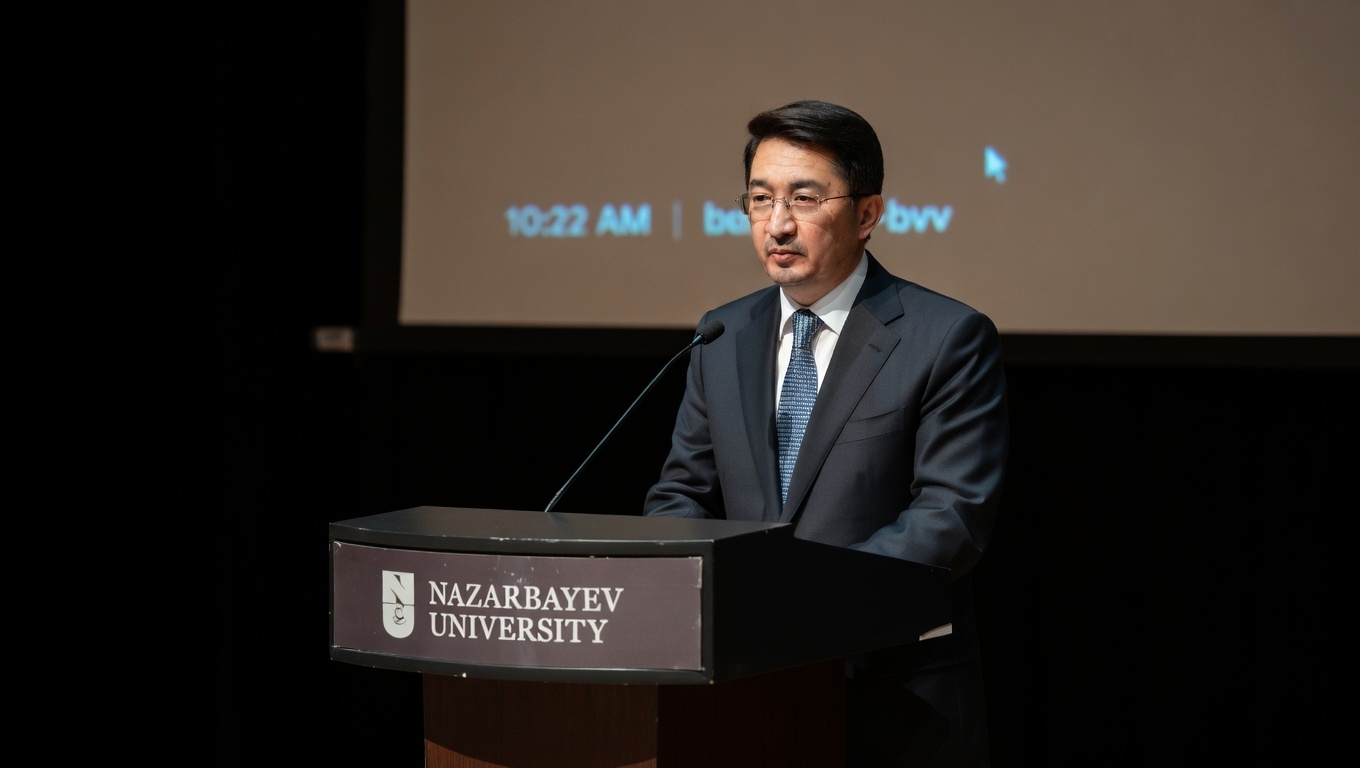 AIR 2025 in the Media
The AIR 2025 International Conference on Artificial Intelligence and Robotics was held at Nazarbayev University on May 9–11, 2025, bringing together global researchers, industry experts, and innovators. The event received wide media coverage across Kazakhstan, including Khabar TV, Qazaqstan TV, Digital Business, and DKNews.
10/23/2026Read more