
Home
Center of Excellence in Medical Robotics Research
The project focuses on advancing medical robotics technologies for rehabilitation, personalized medicine, orthopedic surgery, and medical diagnostics. It includes the development of AI-based personalized biomechanical models, robotic rehabilitation systems, robot-assisted fracture reduction technologies, and digital diagnostic solutions. Particular emphasis is placed on personalized treatment, improving the safety and precision of medical procedures, and preparing the developed technologies for clinical implementation and commercialization. Key outcomes include personalized biomechanical models, the R.CASE rehabilitation exoskeleton, and the R.ALFRED robotic fracture-reduction system.
Purpose
Results
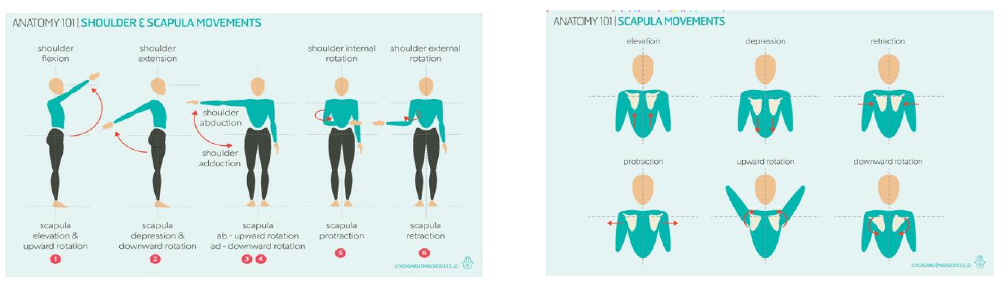 AI-Based Personalized Biomechanical ModelA personalized musculoskeletal model was developed to assess biomechanical characteristics of the lower limbs. Using patient anthropometric parameters, the model generates muscle-activation values for the hip, knee, and ankle joints. A user-oriented application was also developed to support objective musculoskeletal assessment and personalized robot-assisted therapy. final_20technical_20report_with…
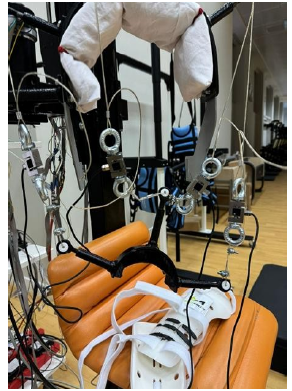 R.CASE Robotic Exoskeleton for Shoulder RehabilitationA full-scale prototype of the R.CASE robotic exoskeleton for shoulder rehabilitation was designed and assembled. The system follows the natural biomechanics of the human shoulder and integrates cable-driven mechanisms, force and position sensors, servo actuators, and real-time control. Initial testing led to improvements in the shoulder cuff, cable pre-tensioning mechanism, and fixed support, enhancing system accuracy, reliability, and user comfort. final_20technical_20report_with…
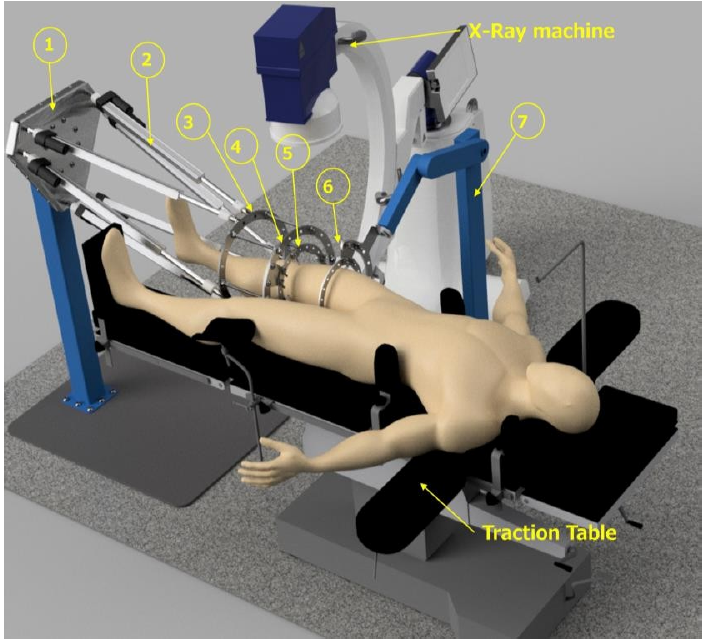
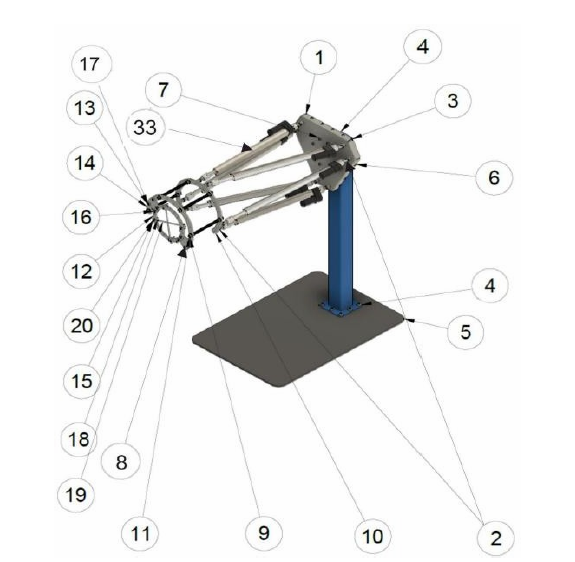 R.ALFRED Robotic System for Long-Bone Fracture ReductionThe R.ALFRED robotic system was developed and modified for closed reduction of femoral fractures. The system provides controlled application of traction and rotational forces and uses optimized trajectory planning to achieve precise alignment of bone fragments. Phantom-model testing demonstrated high repositioning accuracy while minimizing impact on surrounding tissues. final_20technical_20report_with…
 AI-Powered Digital Platform for Lung Cancer DiagnosticsAn AI-powered digital histopathology platform was developed for lung cancer diagnostics. During the project, the system achieved a classification accuracy of 93.47%. The platform demonstrated strong potential for early diagnosis and future integration into clinical diagnostic workflows.
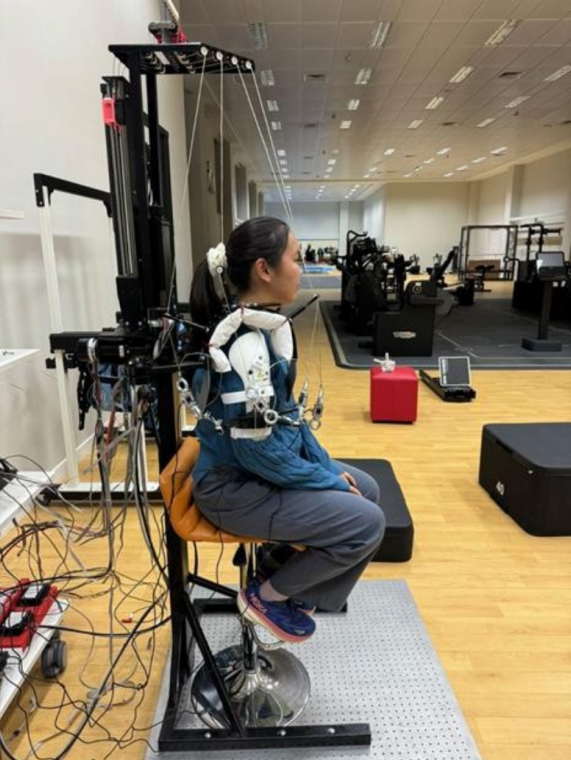 Personalized Robot-Assisted Rehabilitation StrategiesA personalized rehabilitation strategy was developed for R.CASE, enabling the system to adapt to individual patient characteristics. Integrated force sensors measure patient effort and provide feedback for real-time adjustment of control algorithms, assistance forces, and range of motion. This approach supports safer and more responsive rehabilitation tailored to the user’s physical capabilities. final_20technical_20report_with…